

On Sept. 10th, 2025, beloved right-wing leader and Harper alumnus, Charlie Kirk, was shot to death in a public gathering at Utah Valley University in Orem, Utah.
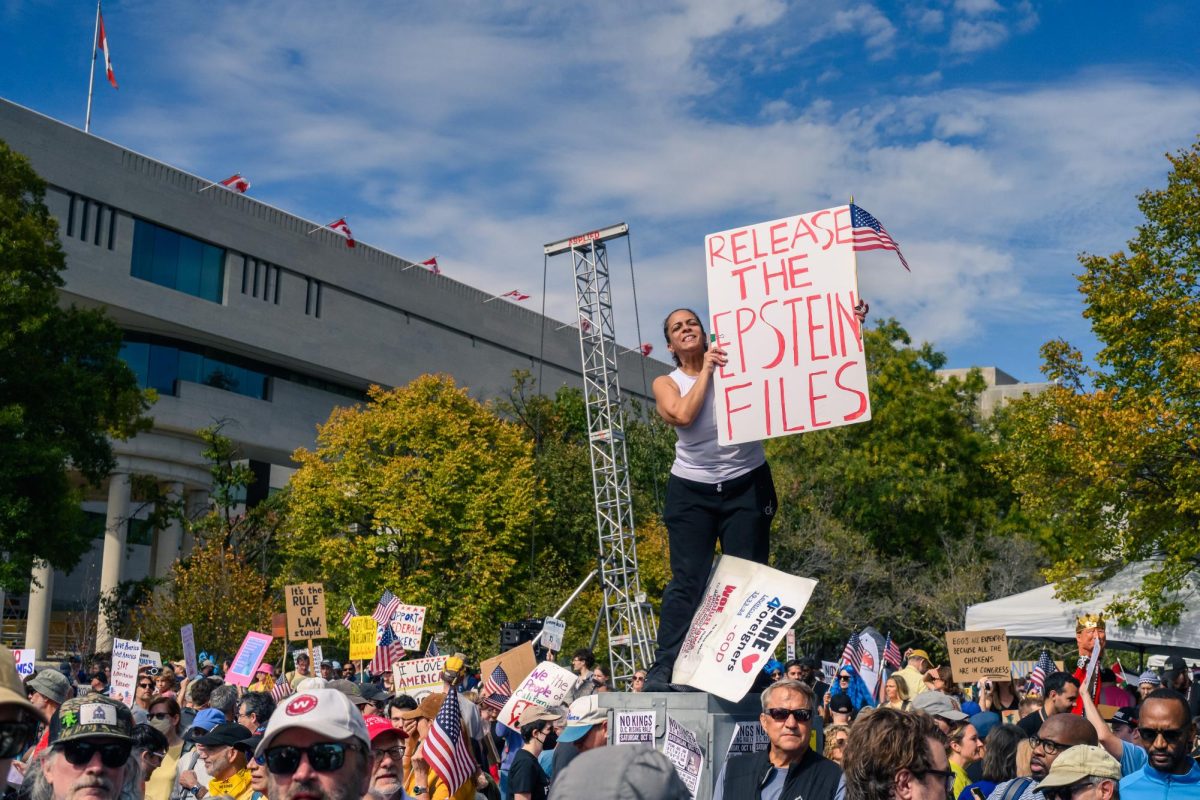
For many, his death triggered heated debate over whether he was a true leader who deserved to be mourned or a divisive figure with racist and xenophobic messaging.
For Harper adjunct faculty instructor Isaiah Carrington, there were no doubts about Kirk’s polarizing hate speech, which he passionately posted on social media, according to this Raw Story article. An unknown person reported Carrington to the college, threatening to take legal action if Harper did not “consider removing” the professor, raising the critical question of Carrington’s free speech rights.
According to the Raw Story report, the unnamed source’s perception of Carrington warranted Carrington’s removal.
“Derogatory comments and harmful rhetoric that appear to justify violence, such as the assassination of Charlie Kirk,” the sources described in a complaint. “[Carrington] persistently label[ed] individuals or groups who disagree with his views as Nazis, hate groups, or supporters of hate.”
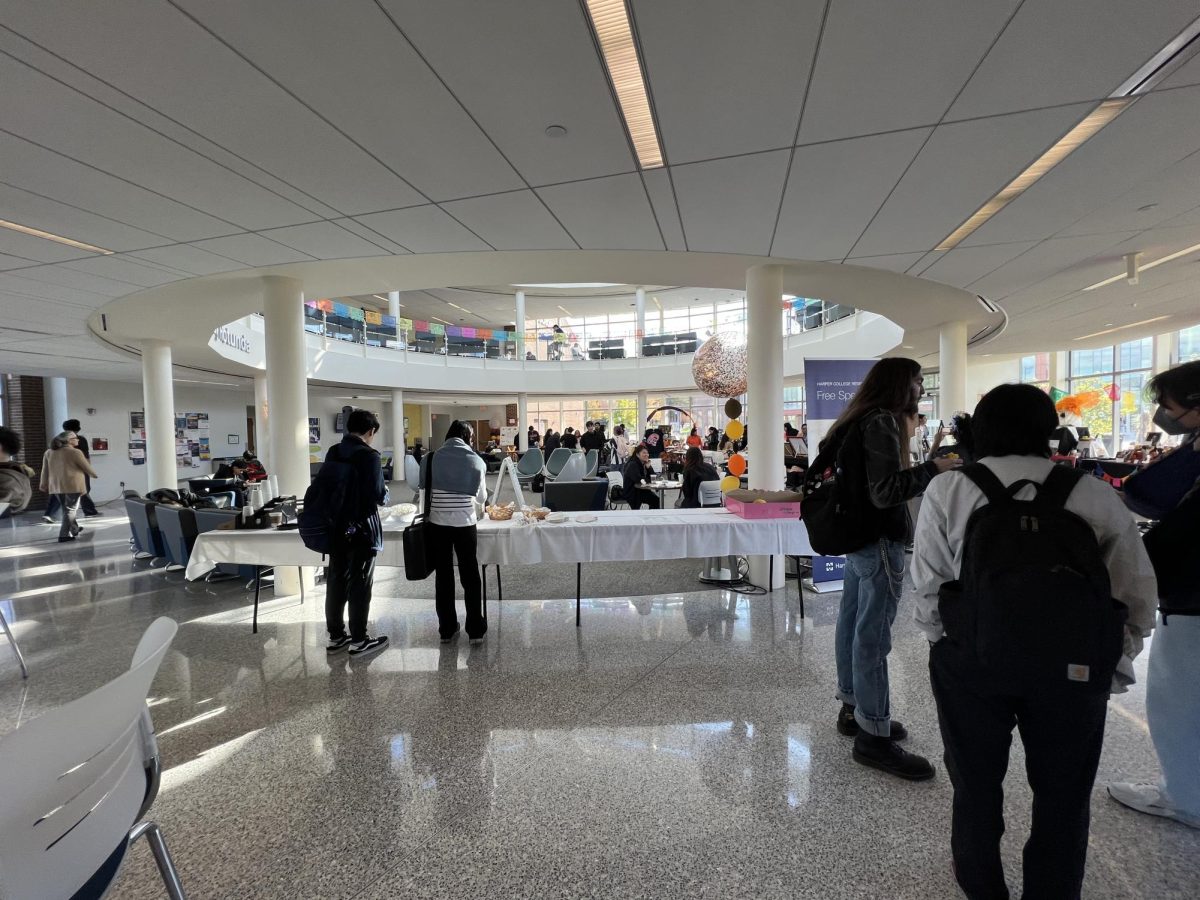
Other identity groups at Harper, who have requested anonymity, have shared some of Carrington’s viewpoints with Harbinger, describing Kirk’s organization, Turning Point USA, as ‘dangerous’ after their initial tabling event at the beginning of the 2025 school year, where the group marketed to student traffic in building L.
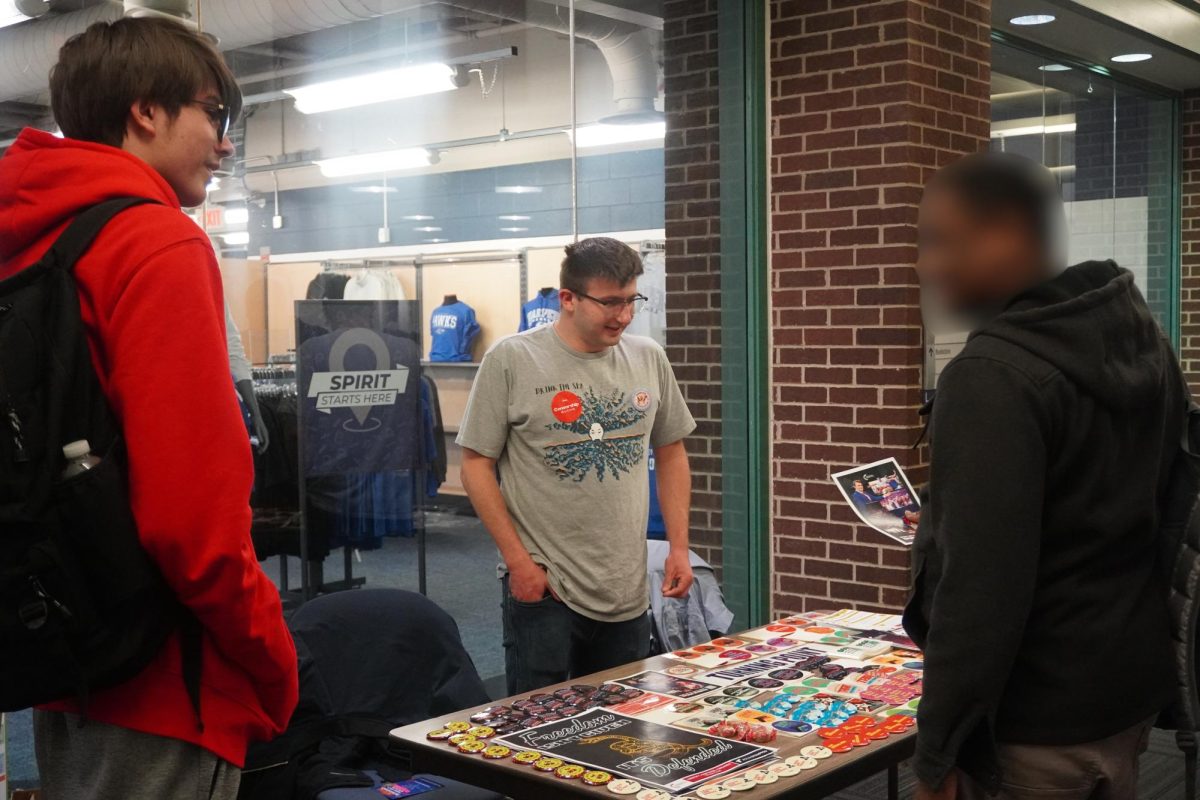
While the fallen leader drew some vocal criticism, his death also revived increased membership in Turning Point USA’s Harper chapter, which was established in the fall of 2021 by the current student president Leo Milik and former Harper student Grant Saam, under the advisement of adjunct psychology professor Steve Gomez.
In its early days, the student club “lacked energy,” according to Milik. But this year, the club has a dozen active members with a renewed sense of purpose.
“I saw stuff about him [Kirk] on Instagram and YouTube, and I thought he was interesting, but when you see someone speak like that and talk about the problems that are going on, it is very intriguing,” Milik described about his introduction to Kirk years ago.
Milik, a 23-year-old business student, said he met Kirk many times and was impressed by the outspoken leader. At a leadership summit in June of 2024, Kirk asked Milik where he went to school. When Milik told him he was a student at Harper College, Kirk became excited.
“I always had a sense of obligation for Turning Point USA, especially after his death,” Milik described. “I want to focus on that legacy because I want him to be proud of what this chapter is.”

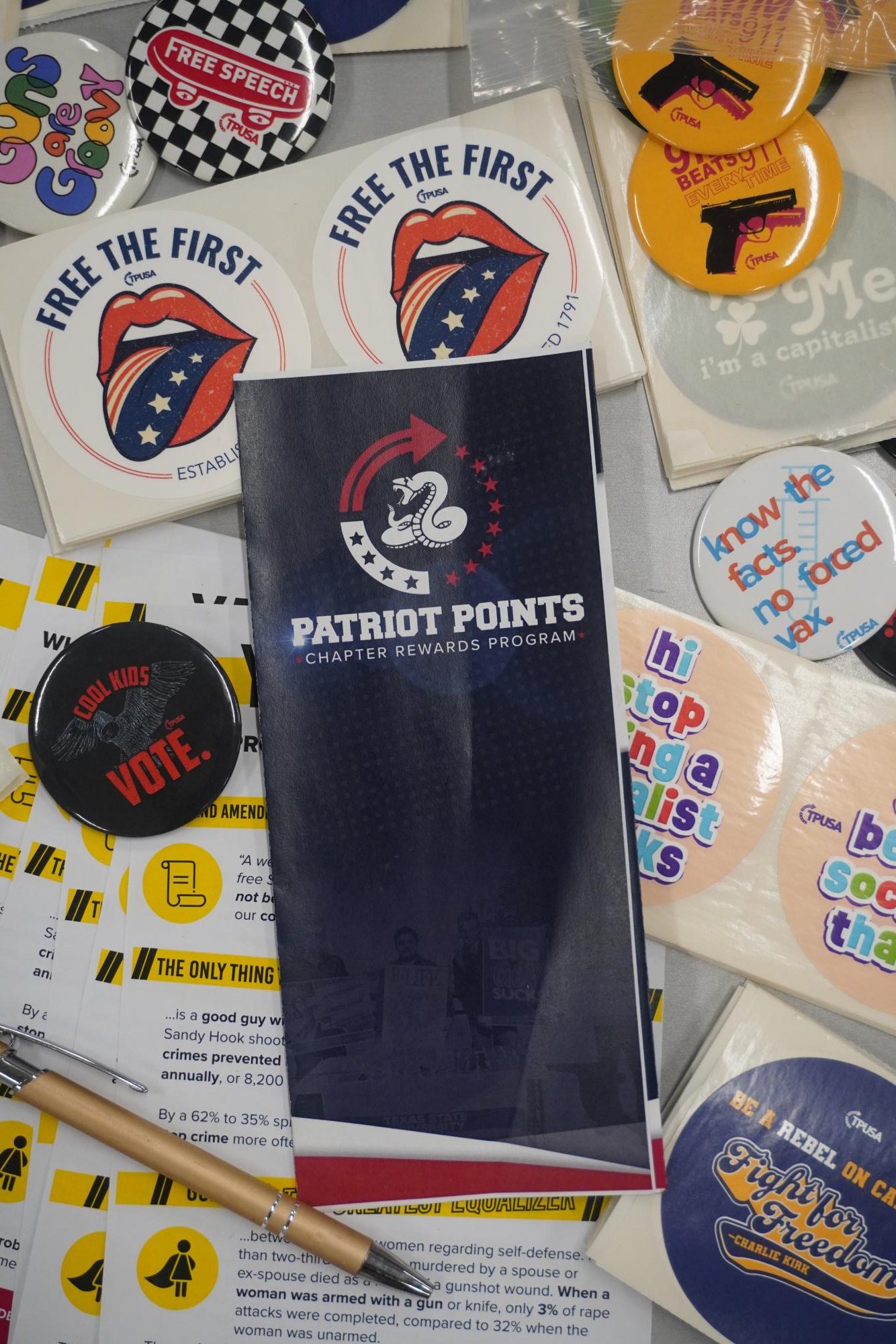
Milik said that the TPUSA mission today remains “to bring awareness to Freedom of Speech, the Second Amendment, and free marketing.”
On the TPUSA website, the mission is clear: “Charlie Kirk poured his life into building a movement rooted in faith, freedom, and love of country. He believed America’s future depended on raising a generation who would NEVER SURRENDER.”
At Harper meetings, members discuss current cultural issues, what Freedom of Speech entails, and other ongoing news. The group has plans to throw a free speech ball on campus, open to everyone.
“Come talk and fight us on anything you want,” Milik said. “They can even say Turning Point sucks. It’s a free speech ball, if you disagree with us, that’s fine.”
Though TPUSA’s members claim their advocacy is for all ideas and free speech, the club’s tabling events and campus activities have drawn criticism from faculty and students alike, who feel that the group intentionally targets marginalized people.
Harbinger received tips from parties who requested anonymity, claiming they were targeted by some TPUSA members, accusing them of standing outside of a gender-neutral bathroom to identify trans people.
At least two of the anonymous sources claimed to have filed HEAT reports against the group, but Harper College would not confirm how many HEAT reports were filed in total, citing FERPA violations. HEAT reports are a multidisciplinary campus threat assessment and behavioral intervention team that guides the campus community in effectively assessing and addressing threatening and/or concerning behaviors.
TPUSA club member, 28-year-old Ryan Jarosz, strongly rejected the idea that members would behave in any such way.
“I want to be very clear, these allegations are completely false,” Jarosz said. “Harassment or targeting any group of people, including stalking or intimidating behavior, is unacceptable. That is not what our organization stands for.”
Harbinger spoke to a few TPUSA club members about controversial statements made by Kirk and if it was representative of the group’s ideology.
“People just go off of what they hear on the news,” Milik said. “They don’t see the actual clips of Charlie [Kirk]. Because of this people will say he [Kirk] is racist.”
Milik and Jarosz would not directly state whether they agree or disagree with Kirk’s controversial statements.
“The media portrays everything as being dangerous,” Jarosz said.

TPUSA’s current co-adviser, Kinesiology faculty Jonathon Loos, said he agreed to advise the group because he “wanted to give a voice to the underdog.”
Professor Loos described himself as a libertarian, despite a bright red MAGA hat that sits on a skeleton in his office.
“The minority voices kind of get lost in that cloud,” Loos said. “So to be able to create an opportunity for the minority of the opposition to have a voice or at least a space is important.”
But Loos also explained that he’s “not 100 percent on board with Turning Point.”
“I just like that it focuses on free speech, and it’s a peaceful opportunity for people to exchange ideas,” Loos said.
For many at Turning Point, like Jarosz, TPUSA speaks to their devout Christian identity.
“Charlie Kirk was a strong Christian man who believed in Judeo-Christian values, family, and friends,” Jarosz said. “I accepted Christ as a fifth grader in elementary school, and it’s been a pretty powerful tool in my life.”
Kirk’s videos on social media often show him arguing Christian values in debates with students across the country on topics like abortion and trans rights.
Throughout the TPUSA website, phrases such as “prayers are rising,” books with “God” in the title, and a statistic citing 800 faith groups can be found.
The group’s evolution eventually met alignment with Trump’s MAGA platform, with Kirk advocating the idea that Christian values are fundamentally American.
Harper College alumnus and close friend of Kirk, Miguel Melgar, co-founded Turning Point in June of 2012, and said the original mission was never supposed to be Republican.
Kirk and Melgar first met in high school in an online group called Political Smackdown that Kirk created. Melgar explained it as a “group of District 214 kids that would debate over different topics.”
After building a friendship, Kirk and Melgar then decided to start a group that would push beyond political one-sidedness.
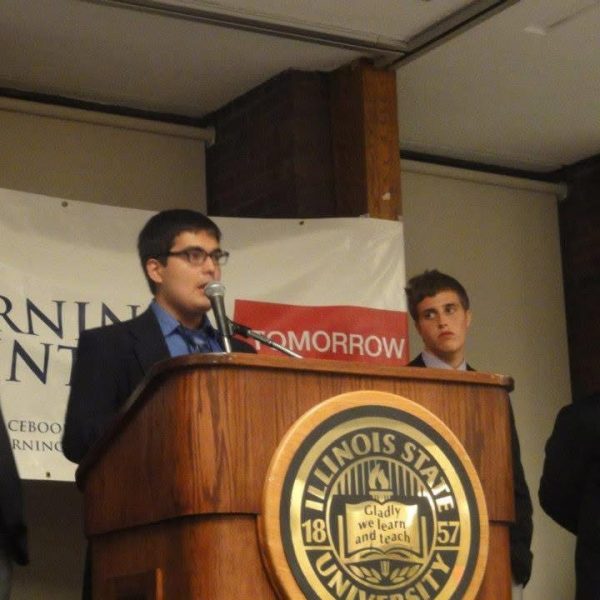
“Turning Point was originally meant to be a non-partisan organization,” Melgar added. “The vision that Charlie and I originally had was that it was going to be a group that had liberals and conservatives who were going to advocate for bipartisan solutions.”
The organization held its first event at Illinois State University in September of 2012 to run debates between political sides.
“Charlie [Kirk] was gonna hound the Democrats and I was gonna hound the Republicans,” Melgar said. “There were about 300 people that showed up to that event. After that, we got requests from four or five other universities to do more events.”
Melgar described his involvement as “second in command” of the group for the first couple of years.
Initially, both democrats and republicans would volunteer with the group but over time, democratic participation decreased.
Then Kirk met Bill Montgomery, a conservative political activist, who helped Melgar and Kirk with “the organizational structure and getting Turning Point off the ground.” Montgomery helped them file for “non-profit status, secure an office space in Lemont, land speaking engagements, fundraise, and establish credibility when talking to older voters.”
Melgar stayed involved despite leaning towards more liberal views, and Kirk had no issue with that, specifically, as Melgar described. Eventually, though, Melgar said he decided to part ways with the organization.
“[TPUSA] continued to expand and grow their [republican] positioning to just levels that I didn’t feel like I can identify with anymore. So I had to step away,” Melgar explained.
Melgar and Kirk parted ways amicably in August of 2014 and stayed on friendly terms over time, occasionally seeing each other when Kirk was in Chicago, Melgar said. When Kirk died, Melgar wrote a sentimental post on his social media honoring the legacy of his friend from long ago.
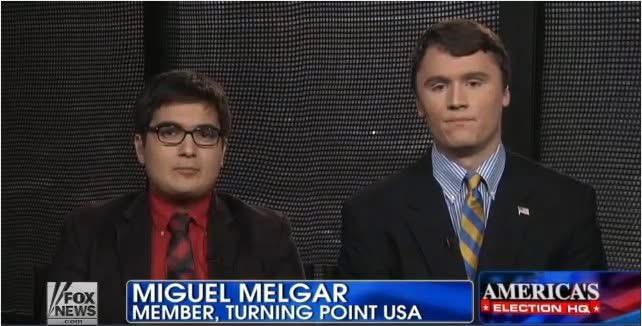
Melgar faced backlash from several of his friends who couldn’t understand his mourning of a “hate monger,” but Melgar emphasized that a difference in their ideologies was not a reason to deny sadness about the old friend he lost.
When asked if he believed Kirk had changed over time to become a more hateful person, Melgar felt Kirk was often misled by his donor groups, who began setting the agendas.
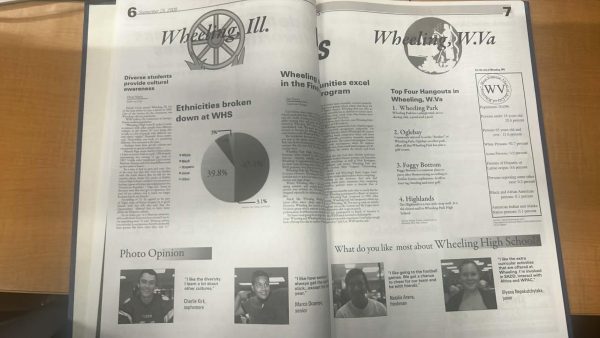
“I don’t think that Charlie [Kirk] himself was a hateful person, but I do think that he was sheltered in terms of his cultural exposure, ” Melgar explained in an effort to resolve the complexity of Kirk’s reputation. “I don’t think he did enough to really expose himself to different worldviews, [especially] from a context like religion.”













Hector Rodriguez • May 4, 2026 at 4:14 pm
Great job Natasha! I am very happy to have worked alongside you this year and am proud of how this piece came out!