Domestic violence does not always begin with visible bruises. Sometimes, it begins with control, fear, and the slow realization that you are no longer safe in your own space. For many immigrant and minority women, that fear is intensified even more by something else: the threat of losing everything if they speak up.
That is why protections like the U Visa are not just policies– they are lifelines.
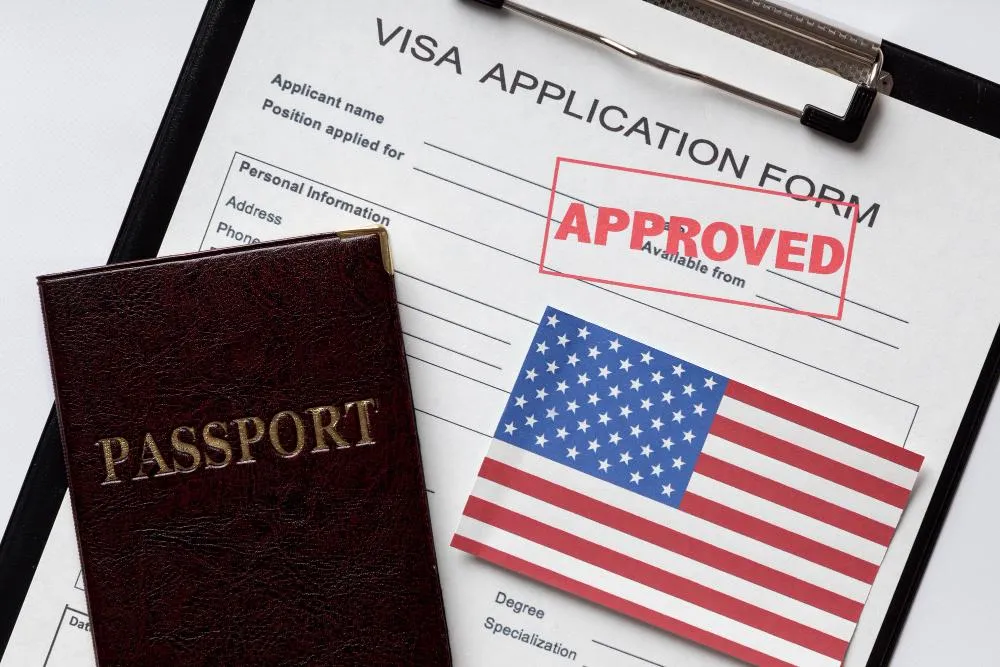
The U Visa, established under the Victims of Trafficking and Violence Protection Act of 2000, was designed to protect victims of serious crimes, including domestic violence, while also strengthening public safety. It allows survivors to come forward, report abuse, and assist law enforcement without the constant fear of deportation, regardless of their status in the US. In doing
so, it shifts power away from abusers and gives it back to YOU, the victims.
Don’t let your abusers weaponize your immigration status. Abusers threaten victims with deportation, silence them with fear, and isolate them from support systems as an intentional
strategy.
But undocumented women do have a choice. One of those choices is applying for the U Visa.
The Caveat: there are strict annual limits on U Visas, leaving thousands of applicants waiting years for protection. Only about 10,000 U visas are issued per year, and it can take seven years or longer to process applications. The process itself can be complicated, requiring cooperation from law enforcement that is not always guaranteed. Even worse is that many victims do not even know this protection exists at all.
We cannot call this justice if access to safety depends on luck, knowledge, or waiting in line. But let’s at least start with knowledge. You should know you have this option and share it with other undocumented women who might need it.
I understand the importance of protection on a personal level.
In my own life, my family experienced a situation that made safety feel uncertain. My mother’s former partner began stalking and harassing us, refusing to respect boundaries and creating an environment filled with fear and a constant sense of danger. It was not just uncomfortable; it was an overwhelming and constant fear of danger. We had to take legal action and obtain a restraining order just to regain some reassurance, safety, and control over our lives.
Even with that protection, the emotional impact did not disappear overnight. There was still anxiety, still fear, still the feeling of being watched and followed.
That experience shaped how I see issues of safety and justice. It showed me how hard it can be to speak up, even when you have support. I can’t even imagine facing that same situation without legal status, without information, and with the added fear of deportation.
That is the reality for many undocumented women.
The U Visa might offer you a chance to choose safety.
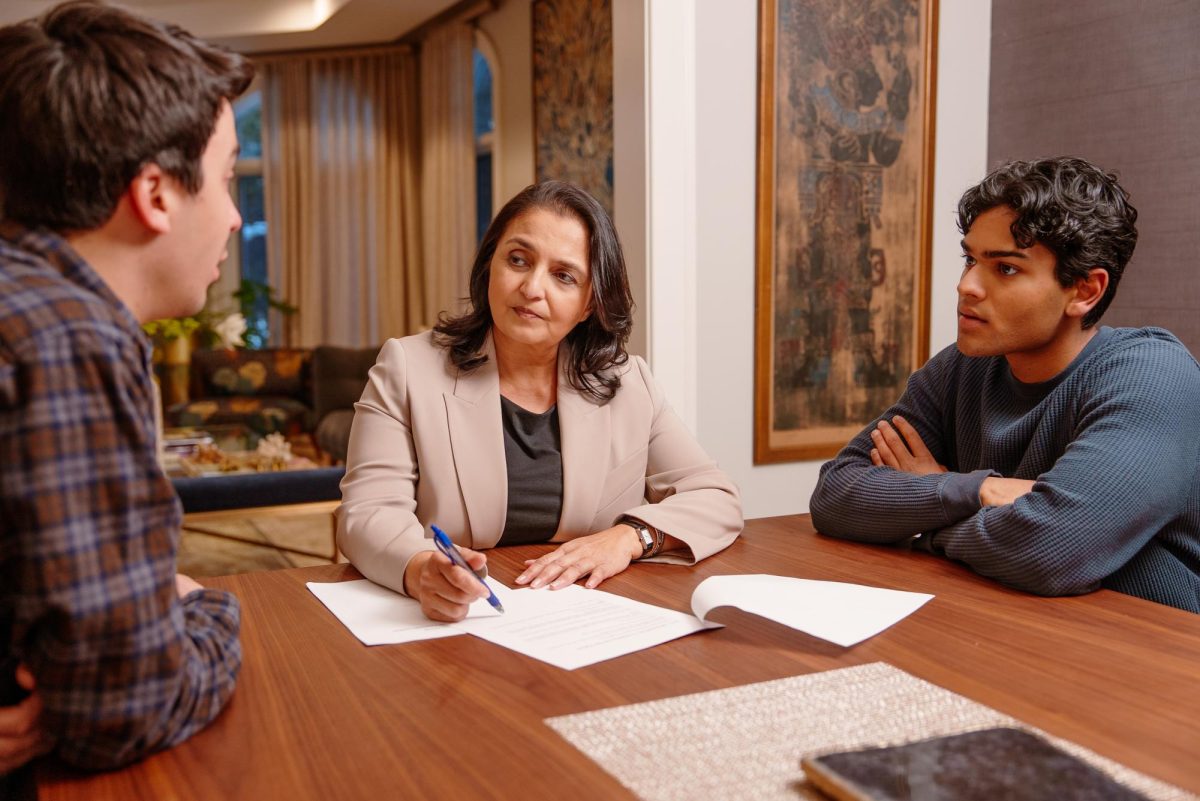
We all can fight to get Congress to expand the number of U Visas available each year so victims are not left waiting in dangerous situations. There must be stronger outreach efforts, so people know their rights and options. Law enforcement agencies need consistent training and accountability to ensure they are supporting, not discouraging, victims who are seeking hope and safety.
I know what it feels like to fight for that safety. And that is why I believe we cannot afford to ignore or weaken protections like the U Visa. Please ask an immigration attorney if the U Visa
might be able to save you from abuse and domestic violence.
Because you matter—papers or no papers.